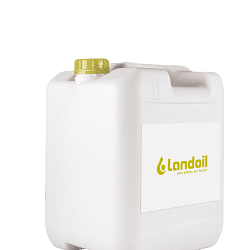
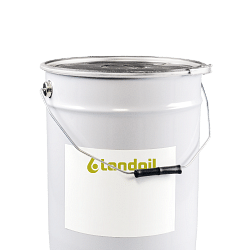
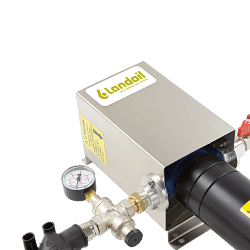
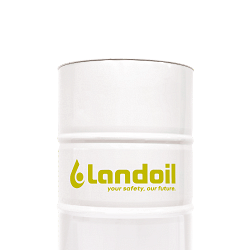
< Lubricants for machine tools Drums of hydraulic oil fluid
Hydraulic oil: efficiency and performance for machine shops
Hydraulic oil is a crucial element in the optimal operation of machine shops. Its importance cannot be underestimated, as it plays a key role in ensuring the efficiency and performance of hydraulic equipment. In this in-depth look, we will explore in detail what hydraulic oil is, what it is used for, how it is used, and the benefits of using it. In addition, we will answer frequently asked questions to provide a complete understanding of this essential component.
Understanding hydraulic oil
Hydraulic oil is a fluid used in hydraulic systems to transmit power. Its main function is to transfer power through the system, lubricate moving components, dissipate heat and protect against corrosion. Choosing the right hydraulic oil is crucial to ensure efficient machine operation and prevent costly breakdowns.
Properties and characteristics of hydraulic oil
The properties of hydraulic oil are crucial to its performance. Key characteristics include viscosity, thermal stability, oxidation resistance and compatibility with seal materials. Viscosity, in particular, is a critical parameter, as it affects the fluid's ability to flow through the system and adequately lubricate components.
Hydraulic oil applications in machine shops
In machine shops, hydraulic oil is used in a wide range of applications, including hydraulic presses, lifters, machine tools and motion control systems. Each application requires a specific type of hydraulic oil, selected according to the operating conditions and technical specifications of the equipment.
Advantages of using hydraulic oil
The use of hydraulic oil offers numerous advantages. First of all, it improves the energy efficiency of hydraulic systems, reducing energy consumption and operating costs. In addition, high-quality hydraulic oil extends the service life of equipment, reducing the need for maintenance and repairs. Finally, it contributes to improved operational safety by minimising the risk of sudden breakdowns.
Selecting the right hydraulic oil
Selecting the right hydraulic oil is a complex process that requires careful evaluation of technical specifications and operating conditions. It is essential to consider operating temperature, system pressure, equipment type and manufacturer's recommendations. The use of non-compliant hydraulic oil can lead to inefficiencies, breakdowns and equipment damage.
Maintenance and handling of hydraulic oil
Proper maintenance of hydraulic oil is essential to ensure optimal performance. This includes regular monitoring of fluid quality, contamination control and periodic oil changes. Effective management practices help to extend the life of the hydraulic system and reduce maintenance costs.
Frequently asked questions about hydraulic oil
1. What is the difference between mineral and synthetic hydraulic oil?
Mineral hydraulic oil is derived from petroleum, whereas synthetic hydraulic oil is produced through chemical processes. Synthetic oils offer greater thermal stability and better oxidation resistance than mineral oils.
2. How can I determine when the hydraulic oil needs to be changed?
Hydraulic oil replacement should be based on a regular maintenance schedule and periodic fluid analysis. Signs of contamination, changes in viscosity or colour changes may indicate the need for replacement.
3. What are the risks associated with using non-compliant hydraulic oil?
The use of non-compliant hydraulic oil can lead to inefficiencies, equipment failure, increased maintenance costs and potential safety risks.
4. Is it possible to mix different types of hydraulic oil?
In general, it is not advisable to mix different types of hydraulic oil, as this can compromise fluid properties and cause compatibility problems.
5. What are the best practices for storing hydraulic oil?
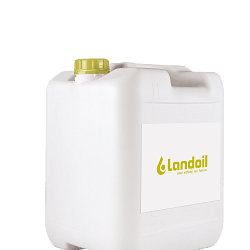
Hydraulic oil should be stored in sealed containers, away from heat sources and direct light, to prevent contamination and degradation.
Conclusions
Hydraulic oil is an essential component for the efficient operation of mechanical workshops. Its correct selection, use and maintenance are crucial to ensure optimal performance and prolong equipment life. Understanding the properties and applications of hydraulic oil allows you to maximise the benefits and minimise the risks associated with its use. With proper attention to hydraulic oil selection and management, machine shops can improve operational efficiency and reduce overall costs.
Read More Read Less