< Abrasives Mounted grinding discs
Professional mounted abrasive wheels are an essential part of the machining landscape, offering advanced solutions for a wide range of industrial applications. These tools, designed for precision and durability, are essential for those working in the metalworking industry and beyond. In this in-depth look, we will explore the distinctive features of mounted points, their use in machine shops, the advantages they offer and answer frequently asked questions on this topic.
Characteristics of mounted points
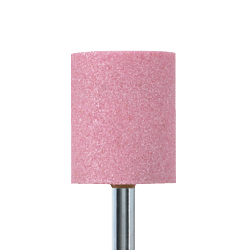
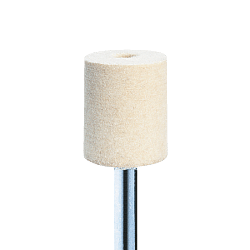
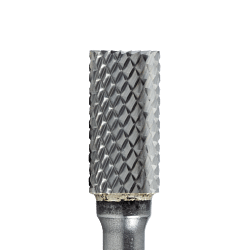
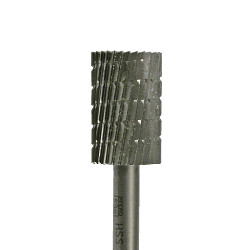
Mounted points are precision instruments used for finishing, grinding and polishing metal and non-metal surfaces. Their structure consists of an abrasive body mounted on a shank, which allows easy mounting on rotating tools such as drills and grinders. The choice of abrasive material is crucial and varies depending on the specific application: aluminium oxide, silicon carbide and diamond are among the most common materials used in their manufacture.
Applications in machine shops
In machine shops, mounted points are used in numerous operations, from removing burrs to preparing surfaces for painting. They are particularly appreciated for their ability to work on complex surfaces that are difficult to reach with other tools. Their versatility makes them suitable for machining steel, cast iron, aluminium and other materials, guaranteeing high quality results.
Advantages of mounted points
The use of mounted points offers numerous advantages. First of all, their precision allows for excellent surface finishes, minimising the need for further machining. In addition, their durability and wear resistance ensure an extended life cycle, reducing operating costs. Their ease of assembly and disassembly on rotating tools increases their efficiency, saving valuable time in daily operations.
How to choose the right grinding wheel
Choosing the right mounted point grinding wheel depends on several factors, including the type of material to be machined, the desired finish and the specifications of the tool used. It is important to consider the grit of the abrasive, which affects the roughness of the machined surface, and the hardness of the bond, which determines the wear resistance of the grinding wheel. A careful analysis of the specific requirements of the application will ensure the selection of the most suitable product.
Frequently asked questions about mounted points
1. What is the difference between a mounted point and a non-stemmed grinding wheel?
Mounted points are designed for use on rotating tools, whereas mounted points are generally used on stationary machines. The presence of the shank offers greater versatility and ease of use in mobile applications.
2. How do I maintain a mounted point grinding wheel?
It is important to clean the grinding wheel regularly to remove material residues and to check the wear of the shank. It is also advisable to store grinding wheels in a dry environment to prevent corrosion.
3. What are the risks associated with the use of mounted points?
As with all abrasive tools, it is essential to use personal protective equipment to prevent injury. Operators must be trained in the correct use of grinding wheels and follow the manufacturer's safety guidelines.
Innovations in the abrasive wheel sector
In recent years, the grinding wheel sector has seen significant innovations, with the development of new materials and manufacturing technologies. The latest generation of mounted points offer superior performance through the use of advanced abrasives and innovative bonds. These innovations have improved the cutting capacity, durability and safety of grinding wheels, making them indispensable tools for modern workshops.
Conclusions
Professional mounted grinding wheels are essential tools for machine shops, offering versatile, high-quality solutions for a wide range of applications. Their ability to guarantee a precise and durable finish makes them a valuable investment for anyone working in the metalworking industry. With proper selection and maintenance, these grinding wheels can significantly improve the efficiency and quality of mechanical operations.
Read More Read Less