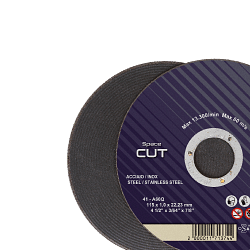
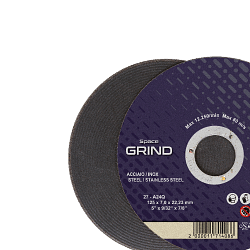
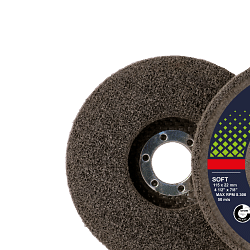
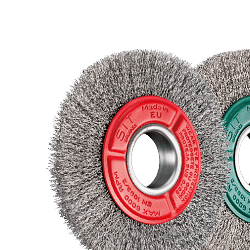
< Abrasives Abrasive wheels for sharpening and grinding
Grinding wheels for sharpening and grinding are an essential part of the machine shop landscape, where precision and quality are essential requirements. Although these tools may seem simple to the untrained eye, they contain a technical complexity that makes them indispensable for a wide range of industrial applications. In this in-depth look, we will explore the characteristics, applications and advantages of grinding wheels, providing a detailed guide to their optimal use.
Understanding grinding wheels: a technical overview
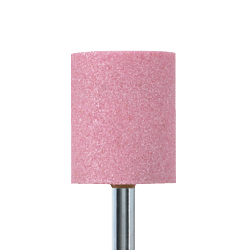
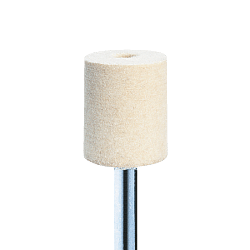
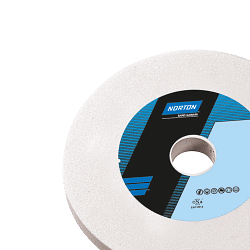
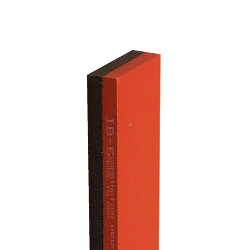
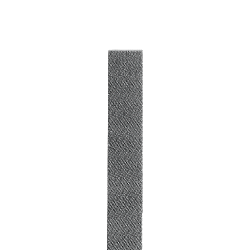
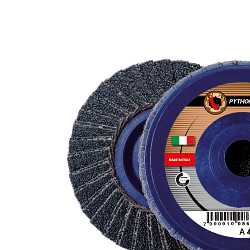
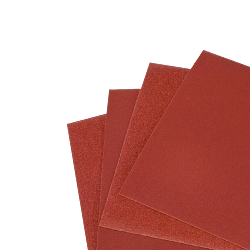
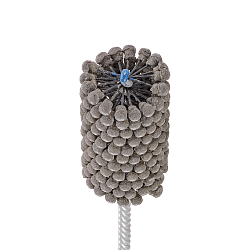
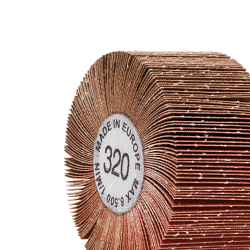
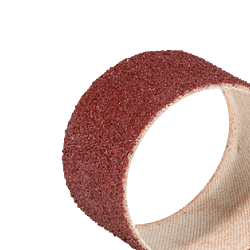
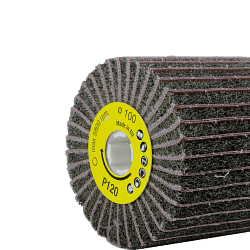
Abrasive wheels are machining tools used to sharpen and grind metal and non-metal surfaces. Composed of abrasive grains bonded together by a binder, these grinding wheels are designed to remove material from the surface of a workpiece, improving its finish and dimensional accuracy. The choice of abrasive type and bond is crucial in determining the performance of the grinding wheel in specific applications.
Abrasive wheel materials and composition
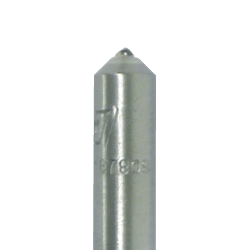
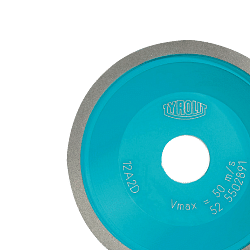
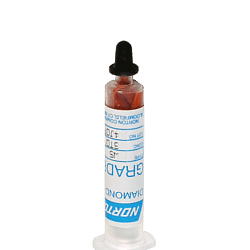
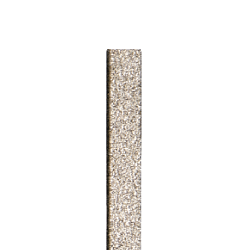
Grinding wheels are mainly made up of abrasive materials such as aluminium oxide, silicon carbide, diamond and cubic boron nitride. Each material has unique properties that make it suitable for particular types of work. For example, aluminium oxide is ideal for working on steels and ferrous alloys, while diamond is preferred for hard and brittle materials such as ceramics and glass.
Applications of grinding wheels in machine shops
In machine shops, grinding wheels are used in numerous operations, including sharpening cutting tools, grinding flat and cylindrical surfaces, and finishing mechanical components. Sharpening is essential to maintain the efficiency of cutting tools, while grinding ensures the dimensional accuracy and surface quality of machined parts.
Advantages of using grinding wheels
The use of abrasive wheels offers numerous advantages, including greater machining accuracy, superior surface finish and reduced machining time. In addition, abrasive wheels make it possible to machine hard, tough materials that would be difficult to process using other methods. This translates into increased production efficiency and reduced operating costs.
Selecting the right abrasive wheel: factors to consider
Choosing the right abrasive wheel depends on several factors, including the material of the workpiece, the type of machining required and the technical specifications of the machine tool. It is important to consider the grit of the abrasive, the hardness of the grinding wheel and the type of bond to ensure optimum performance. Careful selection of the grinding wheel can significantly improve the quality of the end product and prolong tool life.
Frequently asked questions on the use of grinding wheels
1. What is the difference between sharpening and grinding?
Sharpening focuses on restoring the cutting edge of tools, while grinding is a finishing process that improves the dimensional accuracy and surface quality of machined parts.
2. How do I determine the right grit for an abrasive wheel?
The choice of grit depends on the desired level of finish and the material of the workpiece. Finer grits are suitable for smooth finishes, while coarser grits are used to remove material quickly.
3. What are the wear signals of an abrasive wheel?
Signs of wear include a reduction in cutting efficiency, an increase in temperature during machining and the presence of burn marks on the workpiece surface.
Conclusion: the importance of grinding wheels in industry
Grinding and honing wheels are essential tools in machine shops, helping to improve the quality and efficiency of production processes. Their ability to machine hard materials and ensure high-precision finishes makes them indispensable in many industrial sectors. A thorough understanding of their characteristics and applications allows their full potential to be exploited, optimising machining processes and reducing operating costs.
Read More Read Less