< Chemical, adhesives and sealants Release agents, lubricants and anti-seize
Release agents, lubricants and anti-seize are essential elements in the world of machine shops and industry in general. These often underestimated products play a crucial role in ensuring the optimal functioning of machines and tools, preventing breakdowns and prolonging equipment life. In this in-depth look, we will explore in detail what these products are, what they are used for, how they are used and what benefits they offer, also answering frequently asked questions.
Understanding the function of release agents
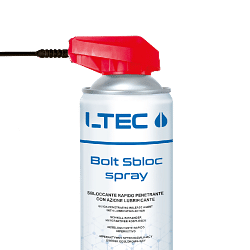
Release agents are chemical formulations designed to penetrate and loosen stuck or rusted metal components. These products are particularly useful in machine shops where working conditions can lead to rust and corrosion build-up. Unlockers work by dissolving rust and residue, thus allowing blocked parts to be easily separated. Their application is simple: simply spray the product onto the affected surface and wait for it to penetrate and take effect. Release agents are indispensable for preventive maintenance and repair of machinery, reducing the risk of damage during disassembly.
The key role of lubricants
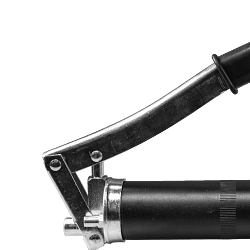
Lubricants are substances that reduce friction between moving surfaces, minimising wear and heat generated by contact. In machine shops, lubricants are used to ensure that machines operate smoothly and efficiently. There are different types of lubricants, including oils, greases and dry lubricants, each with specific applications. Oils are ideal for components that require a continuous flow of lubrication, while greases are more suitable for parts that need long-lasting lubrication. Dry lubricants, such as PTFE, are used in environments where oil or grease contamination is a problem. The correct use of lubricants not only improves machine performance, but also prolongs machine life, reducing maintenance costs.
Anti-seize: preventing seizure
Anti-seize agents are compounds designed to prevent seizing of metal parts, a common problem in high temperature or pressure applications. These products form a protective barrier that prevents direct contact between metal surfaces, reducing the risk of melting or cold welding. Anti-seize agents are particularly useful in automotive and industrial applications, where extreme conditions can cause components to seize. The application of anti-seize is simple and can be carried out during the assembly of parts, providing long-lasting protection.
Advantages of using release agents, lubricants and anti-seize agents
The use of release agents, lubricants and anti-seize offers numerous advantages in mechanical workshops. First of all, these products improve the operating efficiency of machines by reducing friction and wear. This results in longer equipment life and reduced maintenance costs. In addition, the use of release and anti-seize facilitates disassembly and assembly operations, reducing the risk of damage to components. Finally, these products help to improve safety at work, reducing the risk of sudden failures and accidents.
Frequently asked questions on the use of release agents, lubricants and anti-seize agents
1. What is the difference between a lubricant and an anti-seize?
A lubricant reduces friction between moving surfaces, while an anti-seize prevents metal parts from seizing under extreme conditions.
2. Can I use a lubricant instead of an anti-seize?
No, lubricants and anti-seize have different functions and are not interchangeable. The use of an inappropriate product can lead to failure or damage.
3. How often should I apply release agents and lubricants?
The frequency of application depends on the operating conditions and the type of machinery. It is important to follow the manufacturer's recommendations to ensure proper maintenance.
4. Can release agents damage painted surfaces?
Some release agents can damage painted surfaces. It is important to test the product on a small area before full application.
5. Are anti-seize agents water-resistant?
Many anti-seize agents are formulated to resist water and other adverse environmental conditions, but it is always advisable to check the product specifications.
In conclusion, release agents, lubricants and anti-seize are indispensable tools for machine shops and industry. Their correct application not only improves the efficiency and durability of machines, but also contributes to a safe and productive working environment. Investing in high quality products and following best maintenance practices is essential to get the maximum benefit from these products.
Read More Read Less