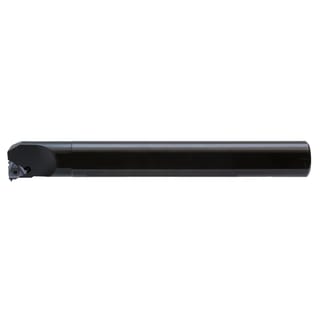
< Thread tools Thread inserts
Threading inserts for lathes and CNC machines represent a crucial element in the precision machining landscape. These components, although they may seem simple at first glance, are the result of continuous innovation and meticulous design, making them indispensable in achieving high quality and precision threads. In this in-depth look, we will explore in detail what threading inserts are, how they are used, the advantages they offer and answer some of the most frequently asked questions on this topic.
Understanding Threading Inserts
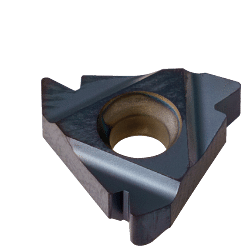
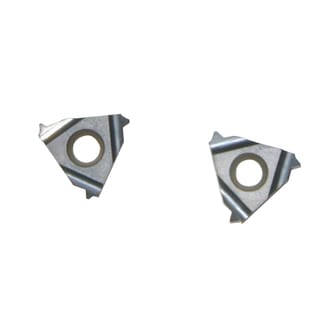
Thread-cutting inserts are cutting tools specifically designed to create threads on parts machined on lathes or CNC machines. These inserts are made of highly resistant materials, such as tungsten carbide, which guarantee long life and exceptional wear resistance. Their design allows for precise and uniform threads, which are essential for the correct assembly of mechanical components.
The importance of precision in threading
Threading is a critical process in machining, as threads must be perfectly compatible to ensure a safe and functional assembly. Threading inserts for lathes and CNC are designed to ensure that each thread is manufactured with the utmost precision, minimising the risk of errors that could compromise the structural integrity of the final product.
Advantages of threading inserts
One of the main advantages of threading inserts is their ability to produce high quality threads quickly and efficiently. This is especially important in large-scale production, where speed and precision are essential to maintain competitiveness. In addition, the use of high quality inserts reduces the need for re-machining, saving time and resources.
Insert materials and design
Threading inserts are available in a variety of materials and designs, each optimised for specific applications. Tungsten carbide is one of the most common materials due to its hardness and wear resistance. However, there are also ceramic and carbide inserts, each with unique properties that make them suitable for different machining conditions.
Using threading inserts in lathes and CNCs
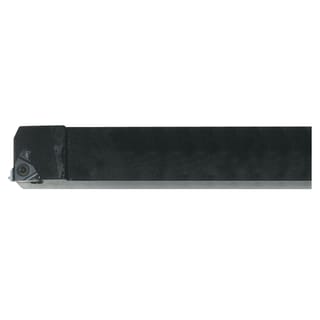
The use of threading inserts requires a thorough understanding of the machines on which they are mounted. In lathes, the inserts are mounted on tool holders that position them precisely on the workpiece. On CNC machining centres, the process is automated, with the machine software controlling the movement of the insert to ensure precise threading.
Optimising insert performance
In order to get the most out of threading inserts, it is essential to follow best practices for maintenance and use. This includes choosing the right insert for the material being machined, setting the correct cutting parameters and regularly inspecting the inserts for signs of wear. A well-maintained insert not only improves thread quality, but also prolongs tool life.
Frequently asked questions about threading inserts
1. What is the difference between right-hand and left-hand thread inserts?
Right-hand threading inserts are designed to create threads that screw in a clockwise direction, while left-hand threading inserts create threads that screw in a counter-clockwise direction. The choice between the two depends on the specific application and type of assembly required.
2. How do I choose the right insert for a specific application?
The choice of the right insert depends on several factors, including the material of the workpiece, the type of threading required and the machining conditions. It is important to consult the manufacturer's specifications and, if necessary, seek technical advice to ensure the optimal choice.
3. What are the wear signals of a thread insert?
Signs of wear include dull edges, chipping and a reduction in thread quality. It is essential to replace worn inserts to avoid damage to the workpiece and ensure continued production.
Conclusion
Lathe and CNC threading inserts are essential tools for machine shops seeking to achieve high precision and quality threads. Their advanced design and the variety of materials available enable them to tackle a wide range of applications, while ensuring efficiency and reliability. Investing in high quality inserts and following best practices for use and maintenance can make the difference between successful production and costly rework. With a thorough understanding of these tools, workshops can optimise their operations and maintain a competitive edge in the machining industry.
Read More Read Less