< Drilling tools Indexable drill bits
CNC insert drills are a crucial element in modern machining. These tools, designed to optimise the precision and efficiency of drilling operations, are essential for workshops aiming to maintain high standards of quality and productivity. In this in-depth look, we will explore in detail what CNC insert drill bits are, how they are used, the advantages they offer, and answer some of the most frequently asked questions on this topic.
Understanding CNC insert drills
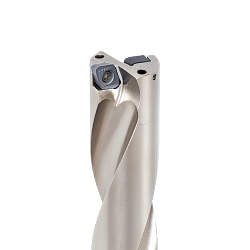
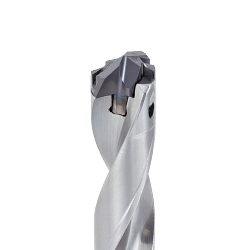
CNC insert drill bits are advanced cutting tools mainly used in CNC machines. These drills are characterised by the presence of interchangeable inserts, which allow only the worn part of the tool to be replaced, rather than the entire drill bit. This innovative design not only reduces operating costs, but also improves the flexibility and overall tool life.
Function and applications of CNC insert drill bits
CNC insert drill bits are designed to operate at high speeds and accuracies, making them ideal for a wide range of industrial applications. These drills are commonly used in the machining of materials such as steel, aluminium, special alloys and composite materials. Their ability to hold tight tolerances and produce high quality surface finishes makes them indispensable in industries such as aerospace, automotive and precision engineering.
Advantages of CNC insert drill bits
One of the main advantages of CNC insert drill bits is their economic efficiency. Thanks to interchangeable inserts, companies can significantly reduce maintenance and tool replacement costs. In addition, the ability to use inserts with different geometries and materials allows cutting performance to be optimised for specific applications, improving productivity and reducing downtime.
Another significant advantage is precision. CNC insert drills are designed to ensure excellent concentricity and dimensional stability, critical factors in the production of high-quality components. In addition, the ability to operate at high cutting speeds reduces cycle times, further increasing production efficiency.
Correct use of CNC insert drill bits
To get the most out of CNC insert drill bits, it is essential to follow a few operational guidelines. First, it is important to select the correct insert based on the material to be machined and the application specifications. The choice of insert material, such as tungsten carbide or ceramic, will directly influence cutting performance and tool life.
In addition, it is essential to constantly monitor the cutting conditions and adjust the machine parameters according to the specific requirements of the process. Proper lubrication and cooling are crucial to prevent overheating and premature wear of the inserts.
Frequently asked questions about CNC insert drills
1. What are the most common materials used for inserts?
Inserts for CNC drills are generally made of tungsten carbide, ceramic, cermet and polycrystalline diamond. The choice of material depends on the type of material to be machined and the operating conditions.
2. How is the optimum cutting speed determined?
The optimum cutting speed depends on various factors, including the insert material, workpiece material, insert geometry and machine conditions. It is advisable to consult the tool manufacturer's guidelines to determine the ideal cutting parameters.
3. What are the signs of insert wear?
Signs of insert wear include a reduction in surface finish quality, increased cutting forces and the appearance of chips or cracks on the insert. It is important to replace worn inserts to maintain the quality and efficiency of the drilling process.
Conclusions
CNC insert drills represent an advanced and versatile solution for modern machining requirements. Their ability to combine economic efficiency, precision and flexibility makes them an ideal choice for workshops wishing to optimise their drilling operations. Understanding the operation, applications and benefits of these tools is crucial to exploiting their full potential and ensuring high quality results in every project.
Read More Read Less